
Article
Science and the Soul. Part II: The Power of the Human Mind to Grasp Truth.
The second part of a two-part article arguing that the human intellect has capacities that cannot be understood as arising from matter alone.
Read More
The second part of a two-part article arguing that the human intellect has capacities that cannot be understood as arising from matter alone.
Read More
A republication of a 1946 article by Physics Nobel Prize winner Victor F. Hess, in which he discusses his Catholic faith.
A historian expains how the concept of “laws of nature” has roots in Christian belief.
A Catholic scientist explains how scientific work can be a training ground for a life of faith.
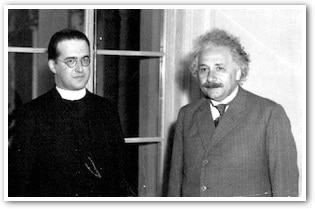
The scientific community is now recognizing the enormous achievement of the humble priest (and brilliant theoretical physicist) Georges Lemaître who proposed the Big Bang theory 90 years ago.
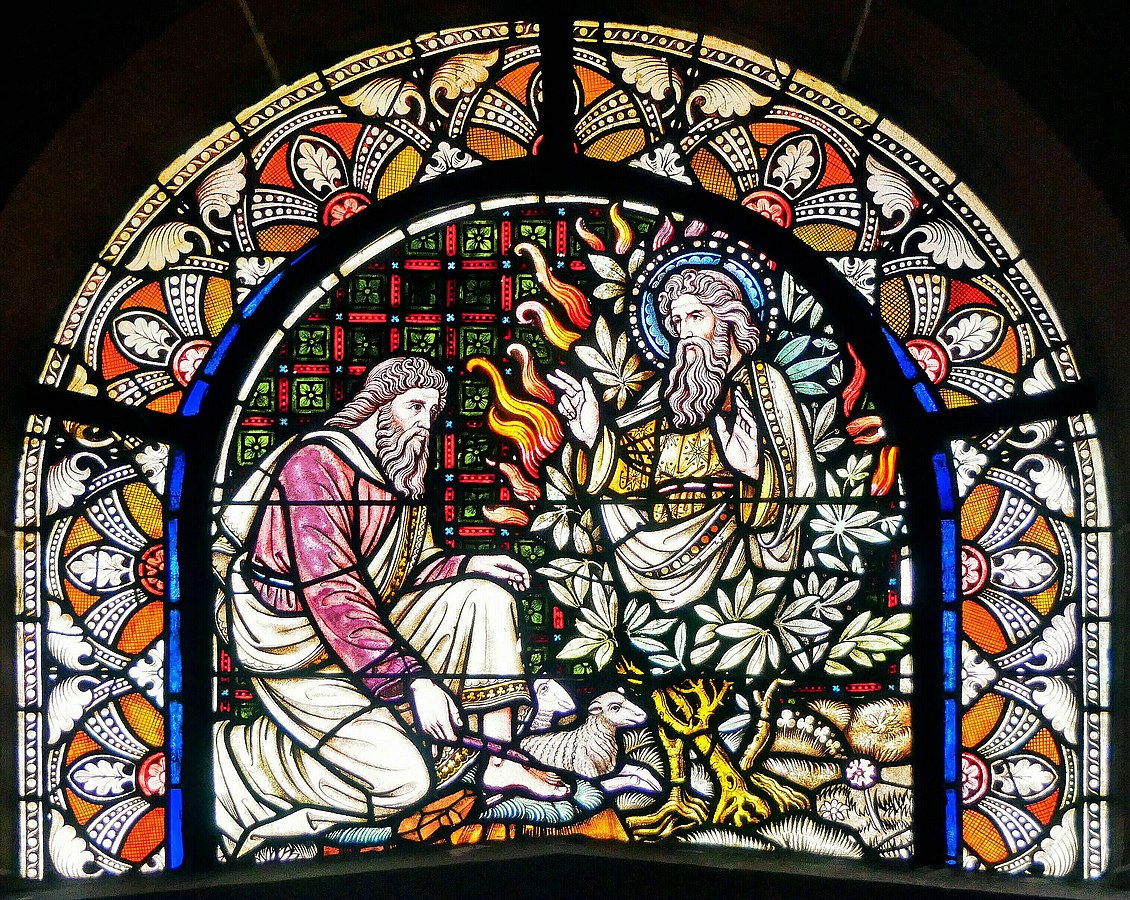
Some people argue that it is irrational to believe in God, since his existence cannot be tested empirically. Does this argument make philosophical sense?
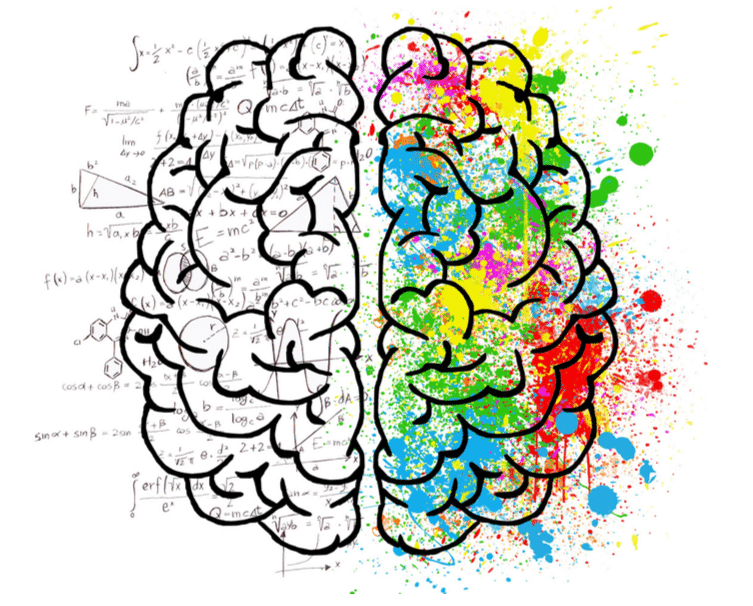
A neuroscientist explains why he rejects the radical reductionism that claims to explain away the mind as “nothing but” the motion of matter.
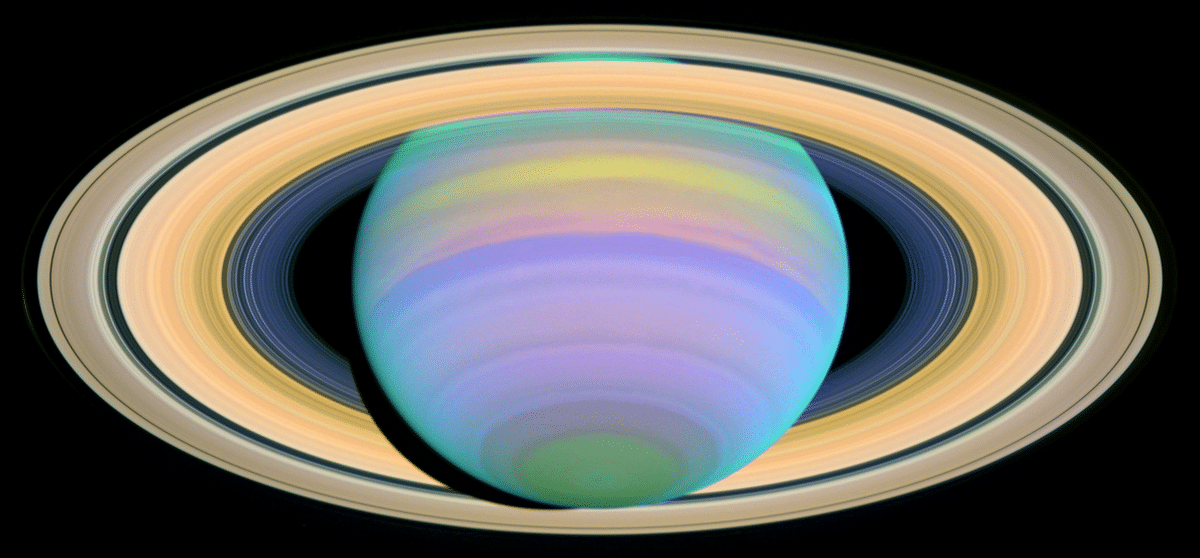
The orderliness, lawfulness, harmony and beauty of the cosmos gives evidence of God.
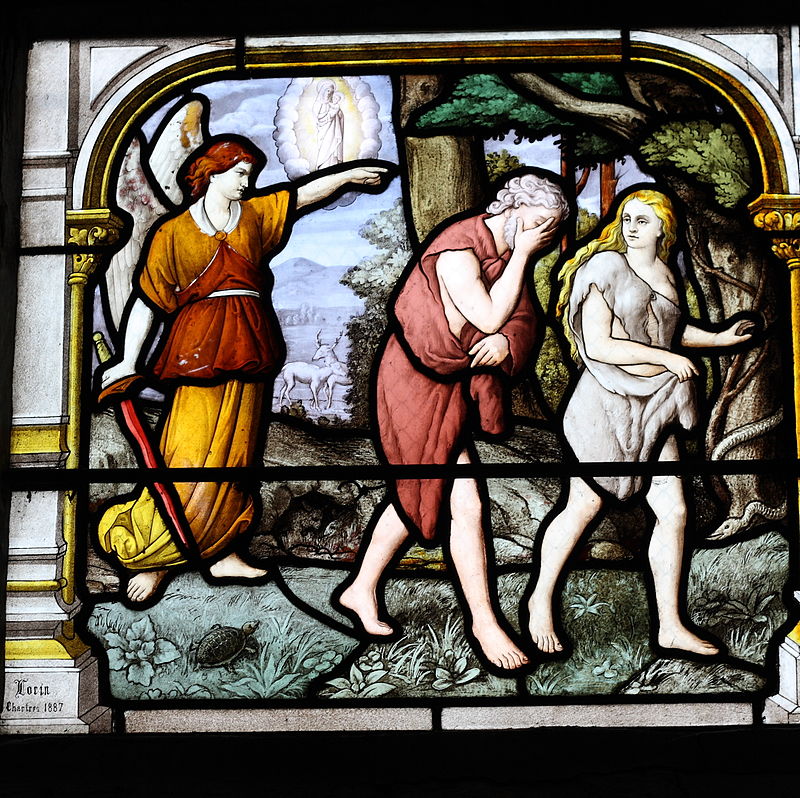
Prof. Kemp reviews a recent book on how to reconcile traditional Christian teaching about Adam and Eve and Original Sin with the facts about human origins discovered by modern evolutionary biology and genertics.
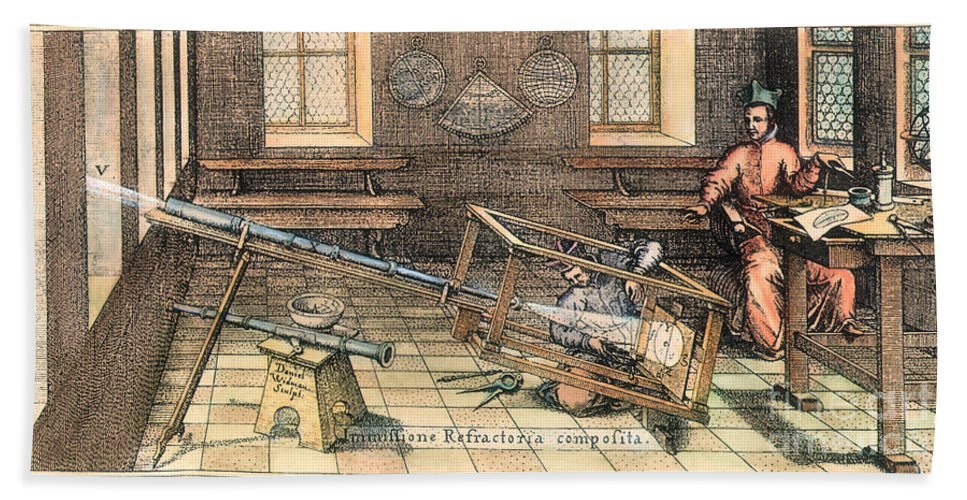
This article explores two consistent principles that have guided her understanding of the relation of faith and science. This is a sequel to the article “The Faith-Science War Debunked.”
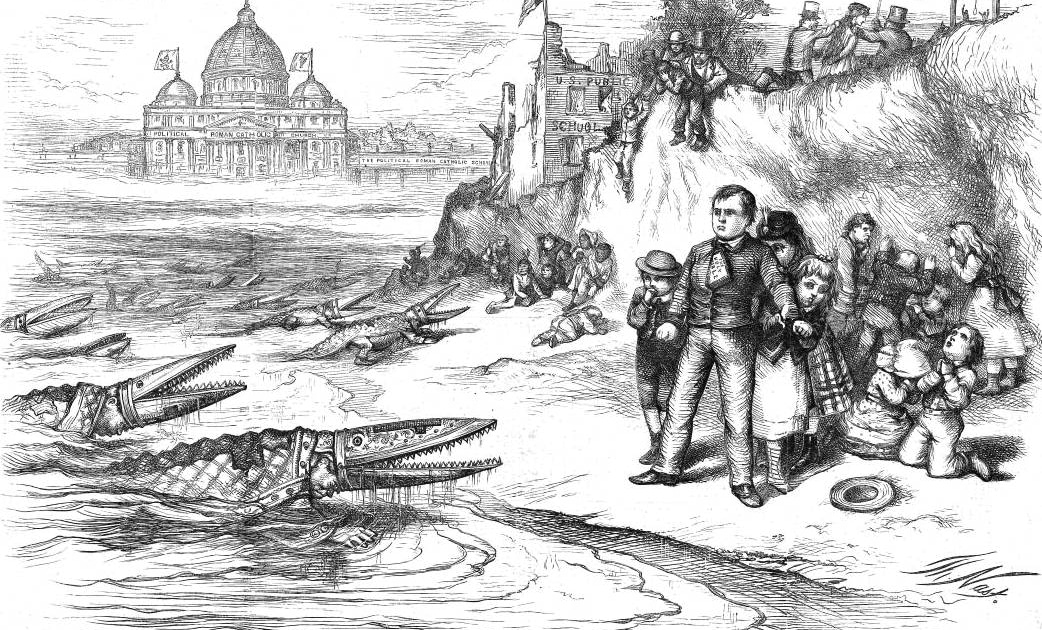
This article explores the 19th-century origins of the myth that the Church has historically been “at war” with modern science. This is the first of a pair of articles: the second is “The Catholic Tradition and Science.”
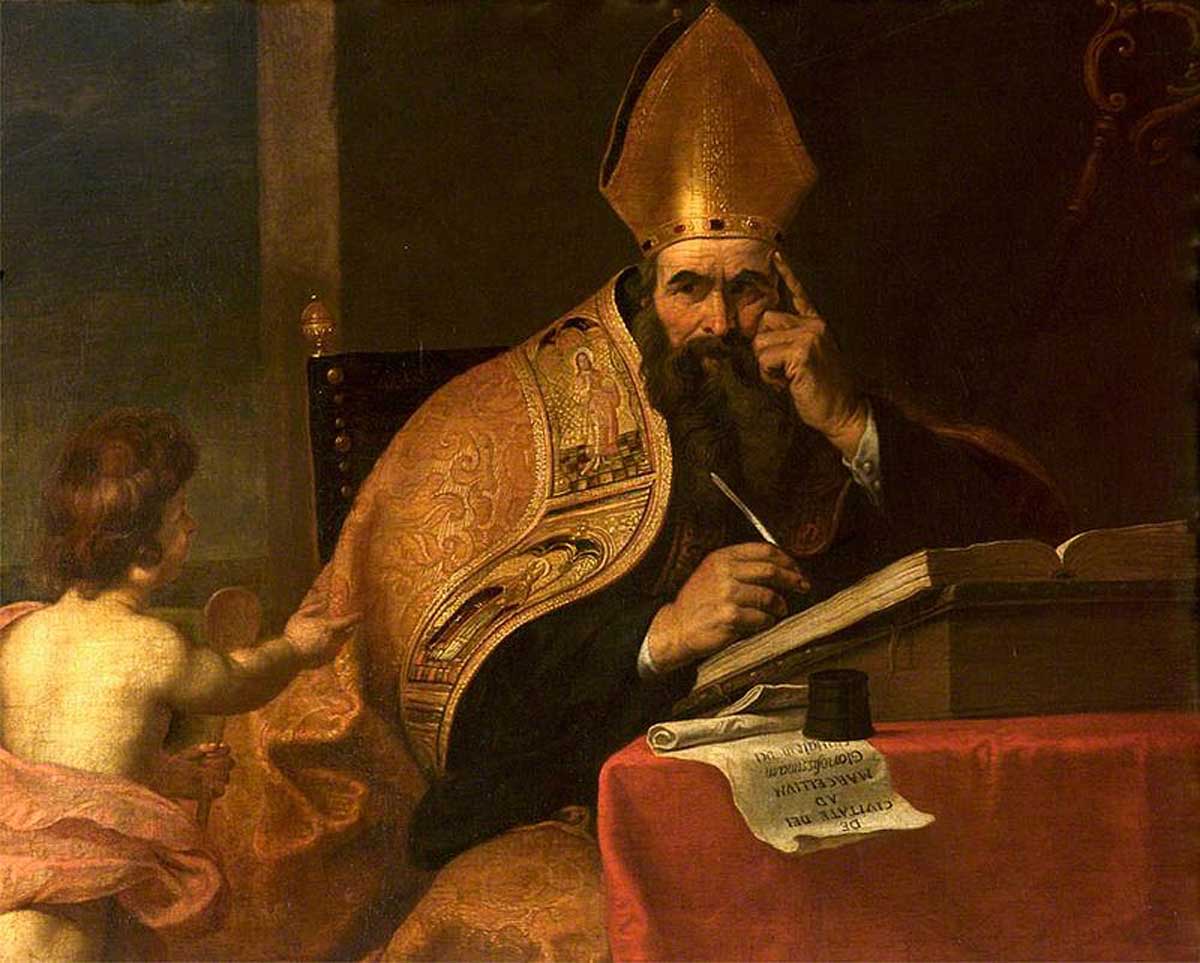
St. Augustine was fifteen centuries ahead of his time in his thinking on the nature of time.
The Copernican Revolution was not what you think.
