
Article
The Glory of the Logoi: What the New Biology Reveals About Life’s Purposefulness
Teleology, once thought banished from science, has re-emerged in modern biology.
Read More
Teleology, once thought banished from science, has re-emerged in modern biology.
Read More
Teleology, once thought banished from science, has re-emerged in modern biology.
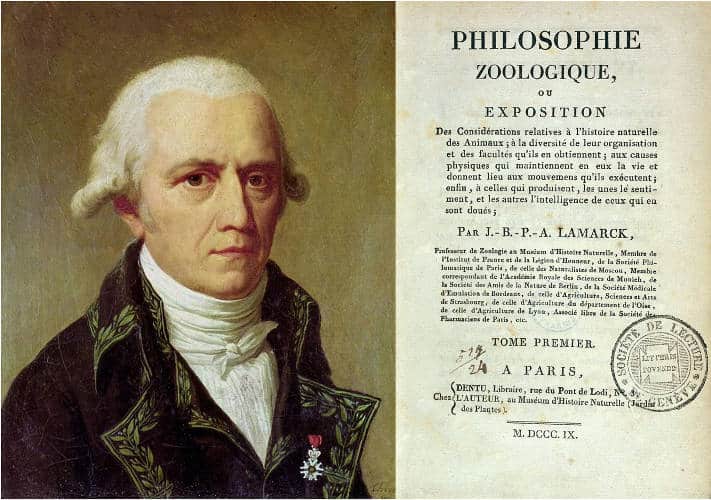
The first to put forward a scientific theory of evolution was also a Catholic believer.
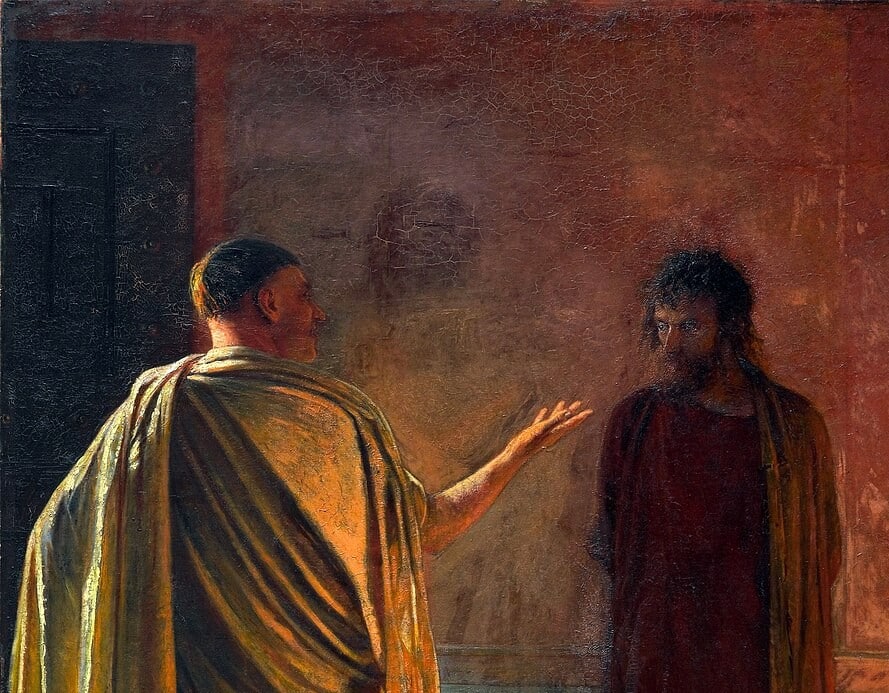
The second part of a two-part article arguing that the human intellect has capacities that cannot be understood as arising from matter alone.
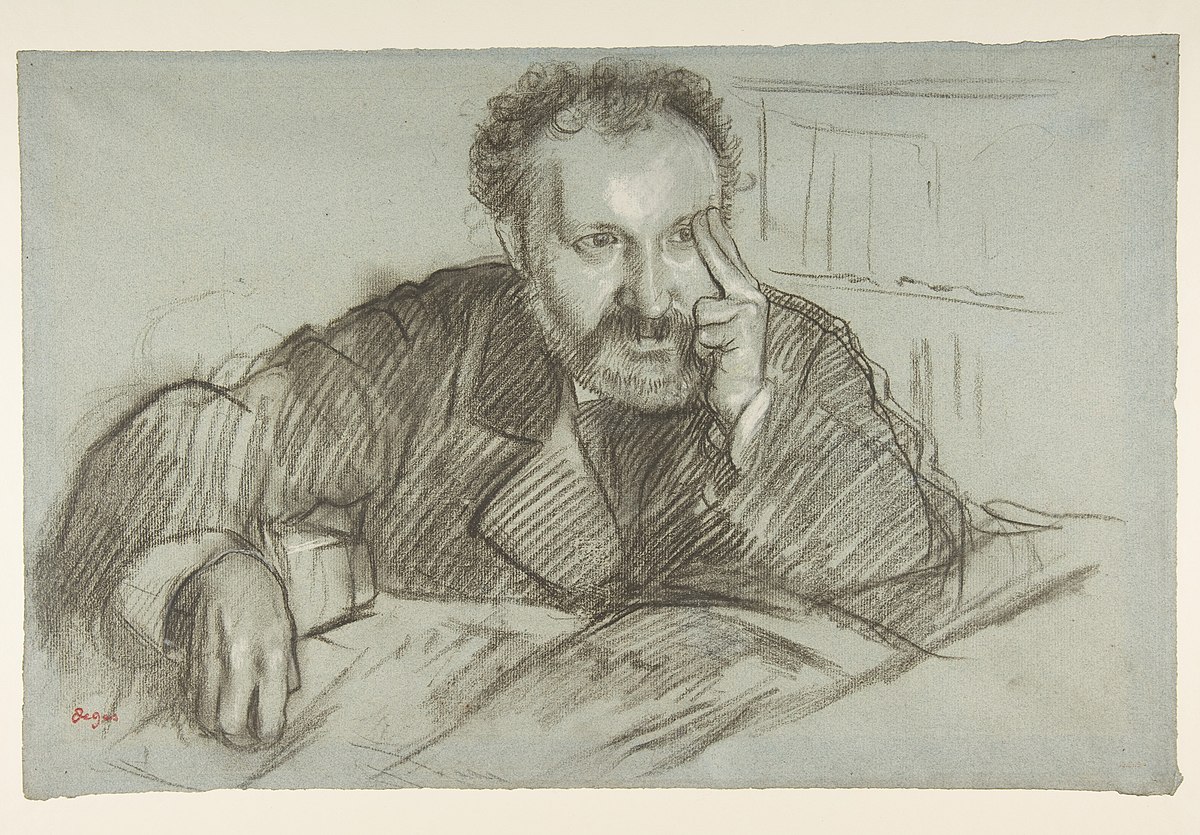
The first part of a two-part article arguing that the human intellect has capacities that cannot be understood as arising from matter alone.
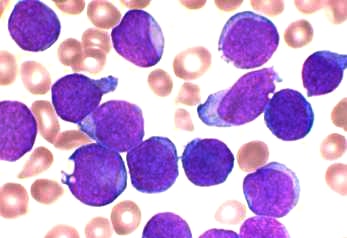
A pediatric oncologist reflects on the problem of evil in light of science and of faith.
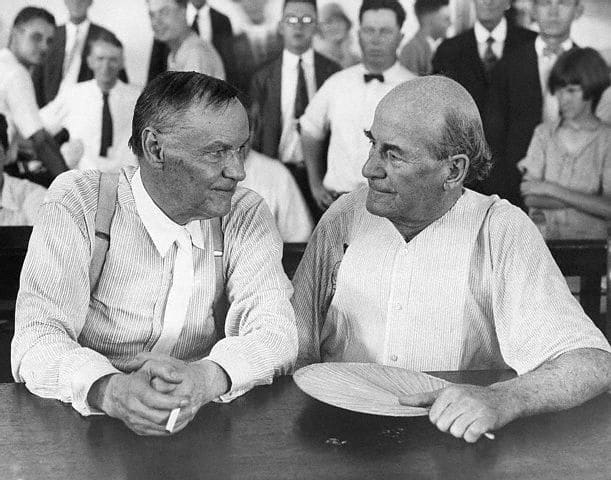
Prof. Kemp explodes a new myth that is starting to grow: namely that the famous Scopes trial of 1925 was really about Eugenics.
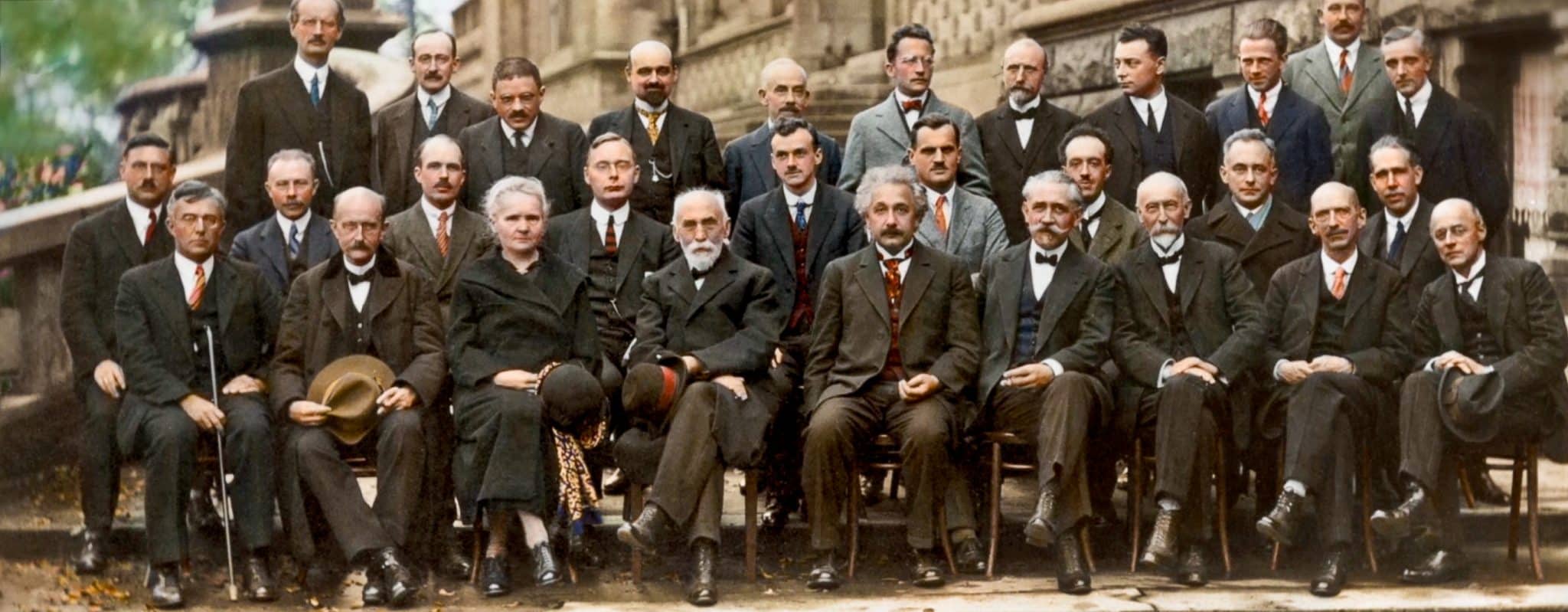
Some famous physicists have argued that quantum mechanics implies that minds are not entirely describable by physics.
Both theology and science use analogy to understand realities that exceed the powers of human imagination.
A biologist explains two ways in which evolution bring us to God.

A philosopher sketches four arguments against the idea that humans are purely physical entities.
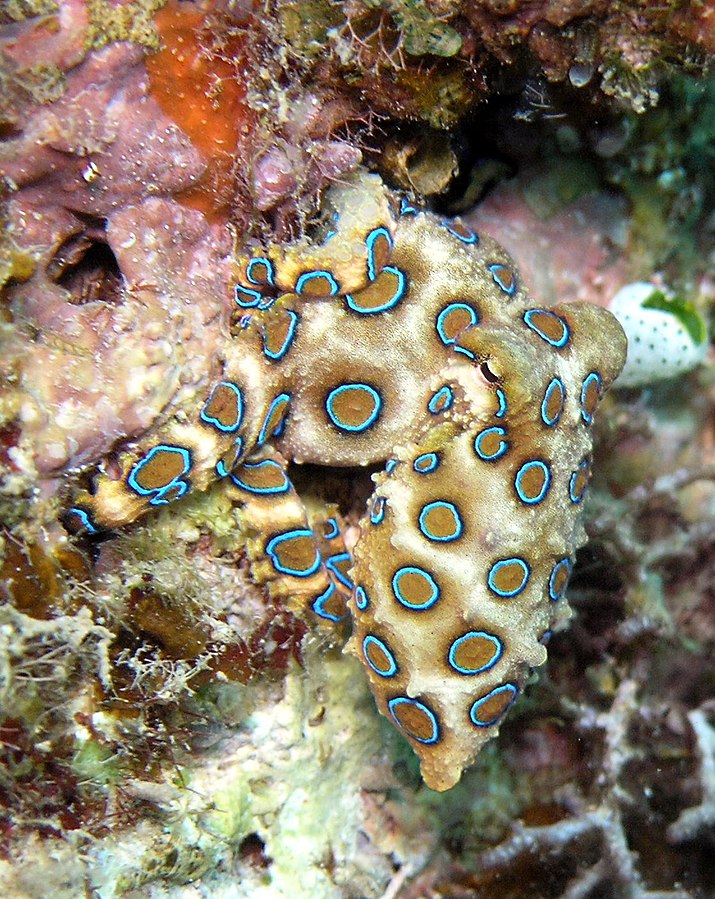
Many think that evolution reveals a world without plan, purpose or meaning. A biologist reflects on the meaning of evolution in the light of Christ.

Physics Nobel laureate Eugene Wigner famously asked about the “unreasonable effectiveness” of mathematics in understanding nature. A physicist suggests a religious answer.
